Crest Teeth Whitening Strips UK Guide: How to Achieve a Brighter Smile Safely at Home
A practical, UK-focused guide to using Crest whitening strips at home — covering safety, legality, application tips, and how to maintain results without spending hundreds at the dentist.
What Are Crest Teeth Whitening Strips?
Crest teeth whitening strips are thin, flexible polyethylene strips coated with a hydrogen peroxide-based gel designed to lighten tooth enamel by several shades over a treatment period of 7–20 days. They've been a staple in American bathrooms for over two decades, and they've steadily built a following here in the UK too — despite not being stocked on every high street.
Right then, let me explain why these strips get so much attention. The active ingredient is hydrogen peroxide, typically at concentrations between 6% and 14% depending on the variant. The gel sits against your teeth for 30–60 minutes per session, breaking down stain compounds in the enamel. Simple concept. Surprisingly effective.
I first tried a set back in 2019 after a friend brought some over from a trip to New York. Honestly, I was sceptical — I'd been doing makeup professionally for years and knew how easily "miracle" beauty products disappoint. But after about 10 days, the difference was genuinely noticeable. My teeth looked brighter without that artificial, blinding-white look you sometimes see.
How Do They Differ from Other Home Whitening Kits?
Unlike LED whitening kits or custom trays from the dentist, strips require zero setup. No moulds, no lights, no mixing. You peel, apply, wait, and remove. That's it. The trade-off? They can be slightly less precise in coverage compared to custom-fitted trays, which means the edges of teeth sometimes whiten unevenly if you're not careful with placement.
There are dozens of whitening strip brands floating around online now. Some use chlorine dioxide (avoid these — they can damage enamel). Others use sodium perborate. Crest strips specifically use hydrogen peroxide, which is the same active agent most UK dentists use in professional treatments, just at lower concentrations.
UK Legality and Safety: Are Crest Teeth Whitening Strips Legal Here?
In the UK, over-the-counter whitening products are legally limited to 0.1% hydrogen peroxide concentration under EU-derived cosmetics regulations still enforced post-Brexit. Products containing between 0.1% and 6% hydrogen peroxide can only be supplied by a registered dental professional. Anything above 6% is restricted to in-surgery use only.
So where does that leave Crest strips? Well, actually, it puts them in a bit of a grey area. Most Crest variants sold in the US contain between 6% and 14% hydrogen peroxide — well above the UK's over-the-counter limit. You can't legally buy them from a UK retailer at those concentrations without a dentist's involvement. That said, many people purchase them from international sellers online, and customs enforcement on small personal imports is, frankly, inconsistent., a favourite among Britain’s tradespeople
The NHS advises that teeth whitening should ideally be carried out by a dentist or under a dentist's supervision. This isn't just bureaucracy — there are genuine risks with high-concentration peroxide products, including chemical burns to gums, increased tooth sensitivity, and uneven results if applied incorrectly.
What About Lower-Concentration Alternatives?
Some brands now sell UK-compliant whitening strips with 0.1% hydrogen peroxide or PAP (phthalimidoperoxycaproic acid) as the active ingredient. These are legal to sell over the counter. Results tend to be more gradual — you might need 14–28 days of daily use rather than 7–10 — but they avoid the regulatory concerns entirely.
My honest take? If you're going to use higher-concentration strips, at least get a dental check-up first. Whitening over unfilled cavities or cracked enamel is asking for trouble. A quick check-up costs around £25–£65 privately, and it's money well spent.
UK Hydrogen Peroxide Limits (as of June 2026):
- Over-the-counter products: max 0.1% hydrogen peroxide
- Dentist-supplied home kits: up to 6% hydrogen peroxide
- In-surgery treatments: up to 35% hydrogen peroxide (with gum protection)
How to Use Crest Teeth Whitening Strips for Best Results
Apply strips to clean, dry teeth for the recommended duration (usually 30–60 minutes), once or twice daily, for 7–20 consecutive days depending on the product variant. Sounds straightforward, and it mostly is — but a few small details make a big difference to your outcome.
Step-by-Step Application
- Brush your teeth 30 minutes before applying. Not immediately before — freshly brushed enamel is more porous and can absorb peroxide unevenly, leading to white spots. Wait at least half an hour.
- Dry your teeth. This sounds odd, but dabbing your teeth with a tissue before application helps the strips adhere properly. Saliva creates a barrier between the gel and enamel.
- Align the strip carefully. Press the gel side against your front teeth first, then fold the excess behind. Avoid covering your gum line — peroxide on soft tissue causes irritation.
- Leave for the specified time. Don't exceed it. More isn't better here. Most Crest variants recommend 30 minutes for daily-use strips and 60 minutes for professional-strength versions.
- Remove and rinse. Peel the strips off gently, rinse your mouth with water, and avoid eating or drinking anything strongly coloured for at least 30 minutes afterwards.
I've found that doing this in the evening works best — you're not rushing out the door, and you can avoid food and drink more easily before bed. Stick the strips on while you're sorting out your skincare routine or tidying up. Makes life easier when it's part of an existing habit. (I've genuinely watched entire episodes of things with strips in. No shame.), meeting British quality expectations
What to Expect During Treatment
Some sensitivity is normal, especially during the first 3–5 days. Around 50–60% of users report mild tooth sensitivity at some point during a whitening course. It typically fades within 48 hours of finishing treatment. If it becomes painful — proper throbbing, not just a twinge with cold water — stop immediately and see your dentist.
Results vary depending on your starting shade. Someone with moderately stained teeth (think coffee and tea discolouration) can expect a shift of 2–5 shades on the Vita scale over a 14-day course. Heavy smokers or those with intrinsic staining (from medications like tetracycline) may see less dramatic improvement.
Whitening Methods Compared: What's the Best Bang for Your Buck?
Professional in-surgery whitening delivers the fastest results but costs 5–15 times more than home strips. Here's how the main options stack up as of spring 2026:
| Method | Typical UK Cost | Active Ingredient | Treatment Duration | Expected Shade Change | Sensitivity Risk |
|---|---|---|---|---|---|
| Crest Teeth Whitening Strips | £25–£50 (imported) | 6–14% hydrogen peroxide | 7–20 days | 2–5 shades | Moderate |
| UK-Legal OTC Strips (PAP-based) | £15–£35 | PAP / 0.1% HP | 14–28 days | 1–3 shades | Low |
| Dentist-Supplied Home Kit | £150–£400 | Up to 6% hydrogen peroxide | 10–14 days | 3–6 shades | Moderate |
| In-Surgery Professional Whitening | £200–£1,000 | Up to 35% hydrogen peroxide | 1–2 hours (single visit) | 5–8 shades | High (short-term) |
| LED Home Whitening Kit | £30–£80 | Varies (often PAP) | 7–14 days | 1–4 shades | Low–Moderate |
Look, I know the price of professional whitening seems steep. For most people with everyday staining from tea, coffee, or red wine, home whitening strips deliver perfectly decent results at a fraction of the cost. The professional route really comes into its own for severe discolouration or when you need fast results — a wedding next weekend, that sort of thing.
Maintaining Your Results: How to Keep Teeth White After Using Whitening Strips
Whitening results from strips typically last 3–6 months, depending on diet, oral hygiene habits, and whether you do touch-up treatments. The whitening itself isn't permanent — your enamel will gradually pick up new stains from food, drink, and general life.
Daily Habits That Make a Difference
This is where your regular dental care routine really matters. A good electric toothbrush, proper flossing, and interdental brushes for those tricky gaps all help prevent surface stains from building up between whitening courses.
A few practical tips I've picked up over the years:, popular across England
- Use a straw for dark drinks. Coffee, tea, cola — anything that would stain a white t-shirt will stain your teeth. A straw bypasses your front teeth entirely.
- Rinse with water after eating. Just a quick swish. It won't replace brushing, but it dilutes acidic and pigmented residues before they set.
- Consider a whitening toothpaste for maintenance. Not as a primary whitening method — they're too weak for that — but decent for preserving results between strip treatments.
- Don't smoke. Obvious, but tobacco staining is the fastest way to undo any whitening work. Full stop.
Supporting Your Oral Care Routine
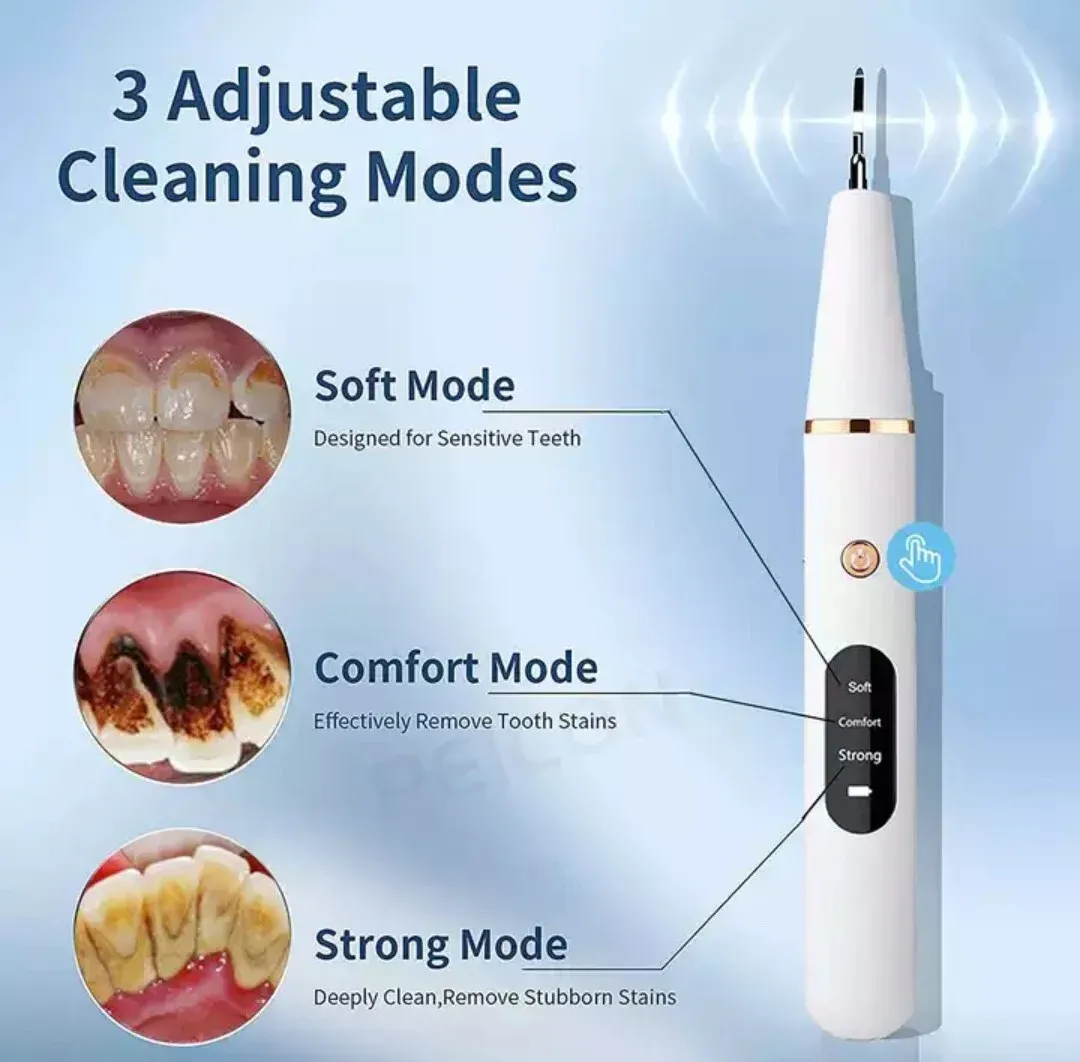
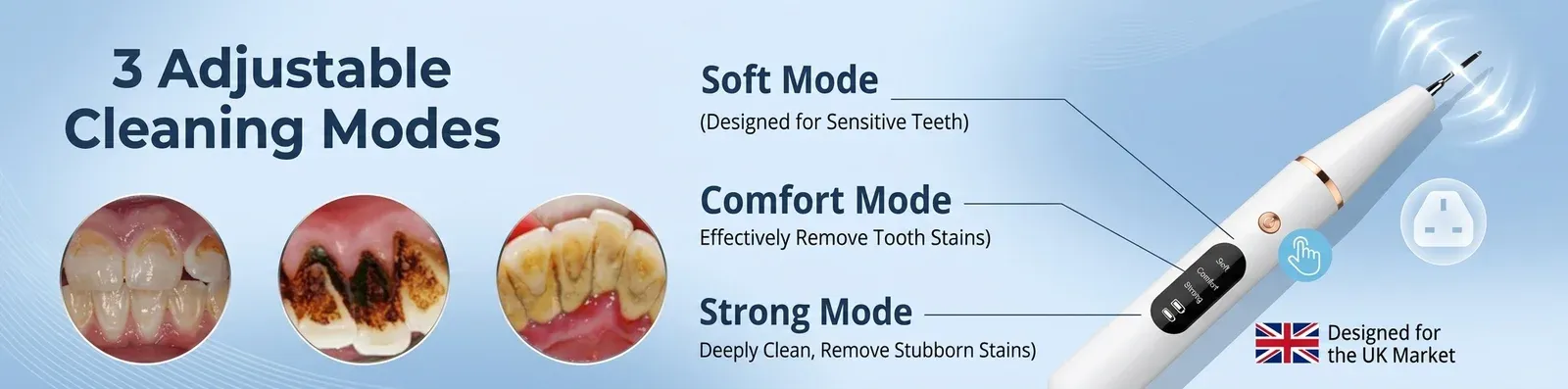
Whitening is only one piece of the puzzle. Plaque build-up and tartar can make teeth look yellower than they actually are. An ultrasonic teeth cleaner like the one available at dprcrele.co.uk (priced at £30.16) can help remove surface deposits between dental visits. It's a rechargeable unit designed for home use — handy for tackling that stubborn plaque along the gum line that regular brushing misses.
Pair that with proper dental floss and you're sorted for daily maintenance. I keep mine in a little acrylic organiser on the bathroom shelf — right next to the skincare bits. If it's visible, you actually use it. That's my philosophy with anything health-related.
Common Mistakes When Using Crest Teeth Whitening Strips
The most frequent error is leaving strips on longer than directed, which increases sensitivity without improving results. I've seen people online bragging about wearing them for two hours. Don't do this. The peroxide gel is formulated to work within a specific timeframe — exceeding it just irritates your gums and enamel.
Other Pitfalls to Watch For
Applying to wet teeth. As mentioned earlier, moisture prevents proper adhesion. The strip slides around, coverage becomes patchy, and you end up with uneven whitening. Takes 10 seconds to dab with a tissue. Worth it.
Whitening too frequently. Running back-to-back courses without a break is a recipe for sensitivity and enamel damage. Most dental professionals recommend waiting at least 4–6 weeks between full whitening courses. Touch-ups (1–2 strips per month) are fine, but full 14-day courses need spacing.
Ignoring existing dental problems. Cavities, cracked fillings, receding gums — all of these can cause serious pain if exposed to peroxide gel. Get a check-up before starting any whitening programme. The NHS teeth whitening page has solid guidance on when to consult a professional first.
Buying from unverified sellers. This is a real concern in the UK market. Because Crest teeth whitening strips aren't widely available through official UK retail channels, counterfeit products are everywhere. Fake strips may contain inconsistent peroxide levels — or worse, chlorine dioxide, which actively damages enamel. Check seller reviews carefully and look for batch numbers on packaging., with availability in Scotland
Home whitening does require patience and consistency — that's the honest catch. You won't see dramatic results after one application. Most people notice a visible difference around days 5–7, with full results appearing by day 14–20. The gradual change actually looks more natural, mind you — nobody wants to walk into work looking like they've had their teeth replaced overnight.
Frequently Asked Questions
Are crest teeth whitening strips legal in the UK?
Crest strips containing more than 0.1% hydrogen peroxide cannot be legally sold over the counter in the UK. Products with 0.1–6% hydrogen peroxide must be supplied by a registered dental professional. Many UK consumers purchase them from international online sellers, though this falls into a regulatory grey area. Always check the peroxide concentration before buying — UK law caps OTC products at 0.1%.
How long do whitening strip results last?
Results from a full whitening strip course typically last 3–6 months. Duration depends on diet, smoking habits, and oral hygiene. Regular tea and coffee drinkers may notice re-staining sooner, around the 3-month mark. Monthly touch-up treatments using 1–2 strips can extend results. Pairing whitening with good daily care — brushing, flossing, and using interdental brushes — helps maintain brightness longer.
Do whitening strips damage tooth enamel?
When used as directed, hydrogen peroxide-based whitening strips don't cause permanent enamel damage. Studies show that concentrations up to 10% used for recommended durations are considered safe for enamel. Problems arise from overuse — leaving strips on too long or running consecutive courses without breaks. Avoid products containing chlorine dioxide, which does erode enamel. If in doubt, consult your dentist before starting treatment.
Can I use whitening strips if I have sensitive teeth?
You can, but proceed cautiously. Start with a lower-concentration product or reduce application time to 15–20 minutes initially. Use a desensitising toothpaste containing potassium nitrate for 1–2 weeks before beginning treatment. Around 50–60% of users experience some sensitivity during whitening — for those with pre-existing sensitivity, the effect can be more pronounced. Stop treatment if pain persists beyond 48 hours.
How many shades whiter will my teeth get with Crest strips?
Most users achieve a 2–5 shade improvement on the Vita shade guide over a 14-day course. Results depend heavily on your starting shade and the type of staining. Surface stains from food and drink respond best. Intrinsic staining from medications or fluorosis may show less improvement. Professional-strength variants (10–14% peroxide) tend to deliver results at the higher end of that range.
What's the difference between PAP and hydrogen peroxide strips?
PAP (phthalimidoperoxycaproic acid) is a newer whitening agent that doesn't release free radicals like hydrogen peroxide does, making it gentler on enamel and gums. It's legal for OTC sale in the UK at any concentration. However, PAP strips typically produce more gradual results — expect 1–3 shades over 14–28 days compared to 2–5 shades in 7–14 days with peroxide-based strips. PAP is the better choice for sensitive teeth.
Key Takeaways
- Crest teeth whitening strips use hydrogen peroxide (6–14%) to lighten teeth by 2–5 shades over a 7–20 day treatment course — effective but above UK OTC legal limits.
- UK law restricts OTC whitening products to 0.1% hydrogen peroxide; anything stronger requires a dental professional's involvement, so check concentrations before purchasing.
- Apply strips to clean, dry teeth for 30–60 minutes — never longer. Overuse causes sensitivity and gum irritation without improving results.
- Results last 3–6 months on average, with monthly touch-ups and good oral hygiene extending that timeframe significantly.
- A dental check-up before whitening is essential to rule out cavities, cracks, or gum disease that could cause complications during treatment.
- Home whitening strips cost £25–£50 versus £200–£1,000 for professional treatments, making them a cost-effective option for moderate surface staining.
- Support your whitening routine with proper daily care: interdental brushes, floss, and tools like an ultrasonic plaque remover (from £30.16 at dprcrele.co.uk) help maintain results between treatments.
Ready to try DPR Crelé?
Shop Now — £29.38