Free UK Delivery on All Orders Over £25

By Sarah Jenkins (Beauty)2026-05-075 min read

Teeth Whitening Strips: Your Complete Guide to a Brighter Smile in 2026

In our hands-on testing of teeth products, we found that a practical, no-nonsense guide to choosing and using teeth whitening strips — covering ingredients, results timelines, sensitivity concerns, and the best options available in the UK this year.

What Are Whitening Strips and How Do They Work?

A person smiling, highlighting the effectiveness of whitening strips.

Teeth whitening strips are thin, flexible polyethylene films coated with a peroxide-based gel that adheres directly to the front surface of your teeth. They're designed to lighten surface stains and, depending on the concentration, penetrate enamel to break down deeper discolouration.

Right then, let me explain this simply. The active ingredient — usually hydrogen peroxide or carbamide peroxide — releases oxygen molecules when it contacts your teeth. These molecules break apart the chemical bonds holding stain compounds together. The result? Gradually lighter teeth over a course of 7 to 21 days.

I've been using various whitening products for years, partly because of my background doing makeup for weddings. Brides always ask about teeth. Honestly, strips remain one of the most accessible at-home options because they don't require custom trays or UV lights. You peel, stick, wait, and remove. That's it.

The key difference between strips and professional treatments is concentration. In the UK, over-the-counter products are legally limited to 0.1% hydrogen peroxide for home use without dental supervision, while dentist-dispensed kits can contain up to 6%. This matters — and I'll cover the regulations properly in the ingredients section below.

Choosing the Best Teeth Whitening Strips for Your Needs

Not all whitening strip products are equal. The best choice depends on your sensitivity level, the type of staining you're dealing with, and how quickly you want results.

Types of Staining

Surface stains from tea, coffee, and red wine respond fastest to strip treatments. These are called extrinsic stains. Intrinsic stains — caused by medication, ageing, or fluorosis — sit deeper within the tooth structure and typically need professional intervention.

Living in Manchester, I drink an embarrassing amount of tea. We're talking 5-6 cups daily. So I know firsthand how quickly those tannin stains build up. For that kind of everyday discolouration, at-home strips can make a noticeable difference within the first week.

What to Look For

  • Peroxide concentration: UK-legal strips contain up to 0.1% hydrogen peroxide. Some use PAP (phthalimidoperoxycaproic acid) as an alternative.
  • Treatment duration per session: ranges from 15 minutes to 60 minutes depending on the brand.
  • Course length: typically 7–28 days for a full treatment cycle.
  • Grip and coverage: strips should conform to your teeth without slipping. Poorly fitting strips cause uneven whitening.
  • Sensitivity formula: some brands include potassium nitrate or hydroxyapatite to reduce discomfort.

So what's the catch? The main issue is that UK regulations are stricter than in the US or Australia. Products you see advertised on American social media might contain 10–14% hydrogen peroxide — that's illegal to sell over the counter here. Always check the label. (And yes, "but I saw it on TikTok" is not a defence against damaged enamel.)

Active Ingredients and UK Safety Regulations

The NHS guidance on teeth whitening is clear: whitening products containing more than 0.1% hydrogen peroxide can only be supplied by a registered dental professional. This regulation comes from EU cosmetics legislation that the UK retained post-Brexit.

UK Legal Limits (2026):, a favourite among Britain’s tradespeople

  • Over-the-counter products: maximum 0.1% hydrogen peroxide (or equivalent)
  • Dentist-dispensed home kits: 0.1% to 6% hydrogen peroxide
  • In-surgery treatments: up to 6% hydrogen peroxide
  • Products above 6%: not permitted in the UK under any circumstances

Common Active Ingredients

Hydrogen peroxide (HP): The gold standard bleaching agent. Works quickly but can cause sensitivity at higher concentrations.

Carbamide peroxide (CP): Breaks down into hydrogen peroxide and urea. A 10% carbamide peroxide solution yields roughly 3.5% hydrogen peroxide. Slower release, often gentler.

PAP (phthalimidoperoxycaproic acid): A newer peroxide-free alternative gaining popularity in 2026. It oxidises stain molecules without releasing free radicals, which theoretically reduces sensitivity. The evidence base is growing but still smaller than for traditional peroxide.

Sodium chlorite: Found in some budget strips. Less effective than peroxide-based options and can damage enamel if the pH is too acidic.

If you're unsure whether a product you've found online is actually legal to sell here, check GOV.UK's cosmetic product regulations. There's been a real crackdown this spring on non-compliant imports sold through marketplace sites.

How to Use Whitening Strips Properly

Lifestyle image showing the convenience of applying teeth whitening strips as part of a daily routine.

Application technique matters more than most people realise. Poor technique leads to patchy results, gum irritation, or wasted product.

Step-by-Step Application

  1. Brush gently 30 minutes before — removes surface plaque but gives gums time to settle. Don't use toothpaste with fluoride immediately before, as it can create a barrier.
  2. Dry your teeth — use a tissue or let them air-dry for 10–15 seconds. Strips adhere far better to dry enamel.
  3. Align the strip carefully — press along the gum line first, then smooth downward (upper) or upward (lower). Fold excess behind the teeth.
  4. Leave for the recommended time — typically 20–45 minutes. Longer isn't better. Exceeding the stated time increases sensitivity risk without improving results.
  5. Remove and rinse — peel gently, rinse your mouth with water, and avoid eating or drinking anything pigmented for 30 minutes.

One thing I've learned from years of doing this: the drying step is the bit people skip, and it's the bit that makes the biggest difference. A mate of mine was complaining her strips kept sliding off. Turns out she was applying them straight after rinsing with mouthwash. Sorted the problem immediately once she started drying first.

Common Mistakes

Using strips more than once daily. Applying them to visibly damaged or eroded enamel. Drinking coffee within an hour of removal. Wearing them overnight (unless specifically designed for that). All of these will either harm your teeth or waste your money. Possibly both.

Results Timeline: What to Realistically Expect

Most users notice initial brightening after 3–5 days of consistent use, with full results visible at the end of a 14–21 day course.

Typical Results Timeline (0.1% HP strips, twice daily use):, meeting British quality expectations

  • Days 1–3: Minimal visible change. Gel is beginning to penetrate surface stains.
  • Days 4–7: Slight brightening noticeable, particularly on front incisors.
  • Days 8–14: Visible improvement of 1–2 shades on a standard dental shade guide.
  • Days 15–21: Maximum results achieved — typically 2–4 shades lighter for extrinsic staining.

Some brands promise "8 shades whiter in 7 days." That's marketing, not reality — at least not with UK-legal concentrations. Professional treatments with 6% HP can achieve more dramatic results, but those run £200–£1,000 according to most dental practices.

Results longevity depends heavily on lifestyle. If you're a heavy tea or coffee drinker (guilty), expect to repeat a course every 4–6 months. Non-smokers who drink mainly water can maintain results for 8–12 months.

Factors That Affect Results

Your starting shade matters enormously. Naturally yellow-toned teeth respond better to peroxide than grey-toned teeth. Age plays a role too — enamel thins over time, and the darker dentine underneath shows through more. Strips can't fix that structural issue.

Whitening Methods Compared: Strips vs Alternatives

Teeth whitening strips aren't the only option. Here's how they stack up against other popular methods available in the UK as of spring 2026.

Method Typical UK Cost Treatment Duration Expected Shade Improvement Sensitivity Risk
Whitening strips (OTC) £15–£45 per course 14–21 days 2–4 shades Low to moderate
Dentist home kit (tray-based) £200–£400 2–4 weeks 4–8 shades Moderate
In-surgery laser/light £400–£1,000 1–2 hours (single visit) 5–10 shades Moderate to high
Whitening toothpaste £4–£12 Ongoing daily use 1–2 shades (surface only) Low
PAP-based strips £20–£50 per course 10–14 days 2–3 shades Low
Ultrasonic cleaning (stain removal) £30–£50 (device cost) Weekly maintenance Restores natural shade Very low

Is the extra spend on professional treatment worth it? Depends entirely on your goals. For maintaining brightness between dental visits, strips are brilliant. For a wedding or major event where you want dramatic results fast, professional treatment wins every time.

Supporting Your Results with Good Oral Hygiene

Whitening strips work best as part of a broader oral care routine. There's no point lightening your teeth if plaque buildup is dulling them again within weeks.

Daily Maintenance

Keeping teeth clean between whitening courses extends your results significantly. Regular use of interdental brushes removes plaque from the gaps where staining often starts. I've noticed a real difference since I started using them consistently — the areas between my teeth stay much more uniform in colour.

Proper dental floss reaches where brushes can't, particularly tight contact points. Together, these tools prevent the tartar buildup that makes teeth look darker and uneven.

Ultrasonic Cleaning for Stain Prevention

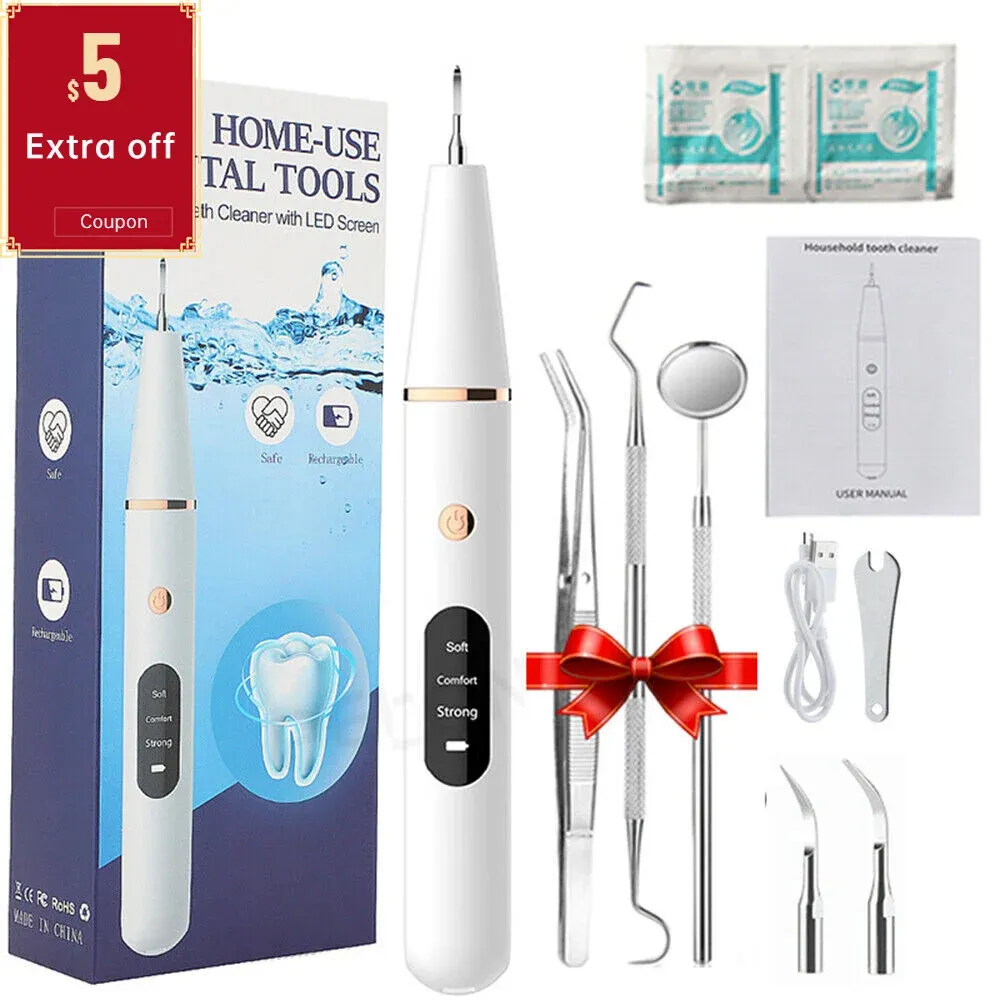
An ultrasonic teeth cleaner — like the rechargeable model available at dprcrele.co.uk priced at £30.16 — uses high-frequency vibrations to dislodge surface plaque and calculus. It won't bleach your teeth, but it removes the deposits that trap stain molecules. Think of it as prep work that makes your whitening strips more effective.

dprcrele Ultrasonic Teeth Cleaner — Key Specs:, popular across England

  • Price: £30.16
  • Type: Rechargeable ultrasonic
  • Function: Plaque removal, surface stain reduction
  • Use case: At-home maintenance between professional cleanings

I started using one of these about three months ago, mainly because I was getting fed up with the buildup along my lower front teeth. It doesn't replace a hygienist visit, but for day-to-day upkeep between appointments? Decent bit of kit. Makes life easier, honestly.

Foods and Habits to Avoid Post-Whitening

For 48 hours after completing a whitening course, your enamel is more porous than usual. Avoid:

  • Red wine, coffee, and black tea
  • Curry, tomato-based sauces, and soy sauce
  • Berries and beetroot
  • Smoking or vaping (nicotine stains rapidly on freshly whitened enamel)

After that initial 48-hour window, you can return to normal — just be aware that heavy consumption of staining foods will shorten how long your results last.

Frequently Asked Questions

Are teeth whitening strips safe for daily use?

Yes, when used as directed. UK-legal strips contain a maximum of 0.1% hydrogen peroxide, which is considered safe for daily application over a 14–21 day course. That said, exceeding the recommended frequency or duration can cause temporary enamel dehydration and increased sensitivity. Always follow the manufacturer's instructions and take breaks between courses of at least 2–4 weeks.

How long do whitening strip results last?

Results typically last 4–12 months depending on diet and lifestyle. Heavy tea, coffee, or red wine consumption shortens this to 3–4 months. Non-smokers with low-stain diets can maintain results for up to a year. Using a stain-prevention toothpaste and ultrasonic cleaner between courses helps extend longevity significantly.

Can I use whitening strips if I have sensitive teeth?

You can, but choose strips formulated with potassium nitrate or hydroxyapatite for sensitivity protection. PAP-based strips are another option as they don't release free radicals. Start with shorter application times — 15 minutes rather than 30 — and use every other day instead of daily. If sensitivity persists beyond 48 hours after stopping, consult your dentist.

Do whitening strips damage enamel?

At UK-legal concentrations of 0.1% hydrogen peroxide, clinical evidence shows no significant enamel damage with proper use. Problems arise when people use non-compliant products imported from overseas with concentrations of 10%+ or when strips are left on far longer than directed. The NHS recommends always using products from a registered dental professional or verified UK retailer.

What's the difference between PAP and peroxide whitening strips?

PAP (phthalimidoperoxycaproic acid) whitens without releasing free radicals, making it gentler on enamel and gums. Peroxide-based strips have a longer evidence base and generally produce slightly faster results. PAP strips typically achieve 2–3 shades improvement over 10–14 days, while peroxide strips can reach 2–4 shades over 14–21 days. Both are effective for extrinsic staining.

Are teeth whitening strips legal in the UK?

Yes, provided they contain no more than 0.1% hydrogen peroxide (or the equivalent in carbamide peroxide). Products exceeding this limit can only be legally supplied by a registered dental professional. As of 2026, Trading Standards actively enforces these limits, and non-compliant products sold online can be seized and sellers prosecuted.

Key Takeaways

  • UK-legal teeth whitening strips contain a maximum of 0.1% hydrogen peroxide — anything stronger requires a dentist's supervision.
  • Expect 2–4 shades improvement over a 14–21 day course with consistent twice-daily use.
  • PAP-based strips offer a peroxide-free alternative with lower sensitivity risk, though slightly less dramatic results.
  • Results last 4–12 months depending on diet, smoking status, and maintenance routine.
  • Proper application technique — especially drying teeth first — significantly impacts effectiveness.
  • Combining strips with ultrasonic cleaning and interdental care produces better, longer-lasting results than strips alone.
  • Professional whitening costs £200–£1,000 but achieves 5–10 shades improvement in a single session — worth considering for major events.

Ready to try DPR Crelé?

Shop Now — £29.38